From the Korean War Collections:

Unidentified Marine riding a donkey
3rd Battalion, 11 Regiment, 1st Marine Division
unidentified location, Korea, 1950-1951
unidentified location, Korea, 1950-1951
5 x 3 , black and white

The Butler Center is home is numerous audio-visual resources related to the Central High crisis. Many of these you can view online from the comfort of your own home. Here are a few selections to get you started. Click the link to open the video in a new window.
This home movie footage from September 23, 1957, shows Little Rock city police escorting the Little Rock Nine into a side entrance of Central High School while a mob gathers in front of the school. [bc.av.570923.01]
This footage from September 25, 1957, shows the Little Rock Nine being escorted through the front entrance of Central High by the 101st Airborne Division. [bc.av.570925.01]
In May 1958, Ernest Green became the first African American graduate of Central High. This footage shows the graduation. [bc.av.5805xx.01]
This haunting footage from September 1958 shows empty Central High and Horace Mann buildings during the "lost year." [bc.av.5809xx.01]

The Maxwell Lyons Sr. papers are now available to the public through the Arkansas Studies Institute research room. This collection contains documents related to the military service of Maxwell J. Lyons Sr., including numerous letters written by Lyons during World War I. The collection also includes other related correspondence and military documents, several photographs, and a scrapbook.


World War I, the first major conflict of the twentieth century, lasted more than four years, involved fifteen nations, and resulted in the deaths of at least 8.5 million soldiers worldwide. July 28, 2014, will mark the 100th anniversary of the beginning of the war, and the Butler Center is pleased to announce the creation of Arkansas and the Great War, an online resource for researchers interested in learning more about Arkansas’s involvement with the war.


The Main Street Bridge Location:


In conjunction with the start of the Civil War Sesquicentennial, as well as the kick off of Arkansas Heritage Month, the Butler Center for Arkansas Studies is pleased to announce the launch of a new website devoted to the Civil War in Arkansas.
Titled “A Nation Divided: Arkansas and the Civil War,” the site presents a wealth of information on our state’s role in its most trying conflict. The site, which has been sanctioned by the Arkansas Civil War Sesquicentennial Commission, provides easy accessibility to the Butler Center’s vast Civil War–related holdings. Of primary interest to researchers will be the large number of manuscript collection finding aids posted to the site. The finding aids, which serve as gateways to the collections, are divided into Union and Confederate sources and provide detailed descriptions as to the contents of each collection. Within the collections, researchers will find hundreds of letters, diaries, official documents, and photographs.
In addition, a number of the primary materials have been digitized and placed in the site’s digital gallery. Now, Arkansas’s citizens as well as people from around the world will be able to quickly and easily view historical documents and photographs related to Arkansas’s role in the Civil War. Two of the first collections to be digitized provide information on greatly under-studied topics of the war: African American involvement and Arkansas’s Unionists. In conjunction with the annual themes developed by the Sesquicentennial Commission, we have also posted material related to the remembrance of the war in Arkansas.
Other Civil War–focused resources on the site include lesson plans for teachers; lists of books, photographs, and microfilm available in our research room in the Arkansas Studies Institute; and information on the numerous online databases that we subscribe to. It is our hope that the website will not only spur research into new areas of Arkansas’s past, but that it will also broaden our overall understanding of the war and its effect on our state.
Click here to view the website.
In honor of American Archives Month, this blog is featuring photographs of Butler Center staff members in action. Enjoy!

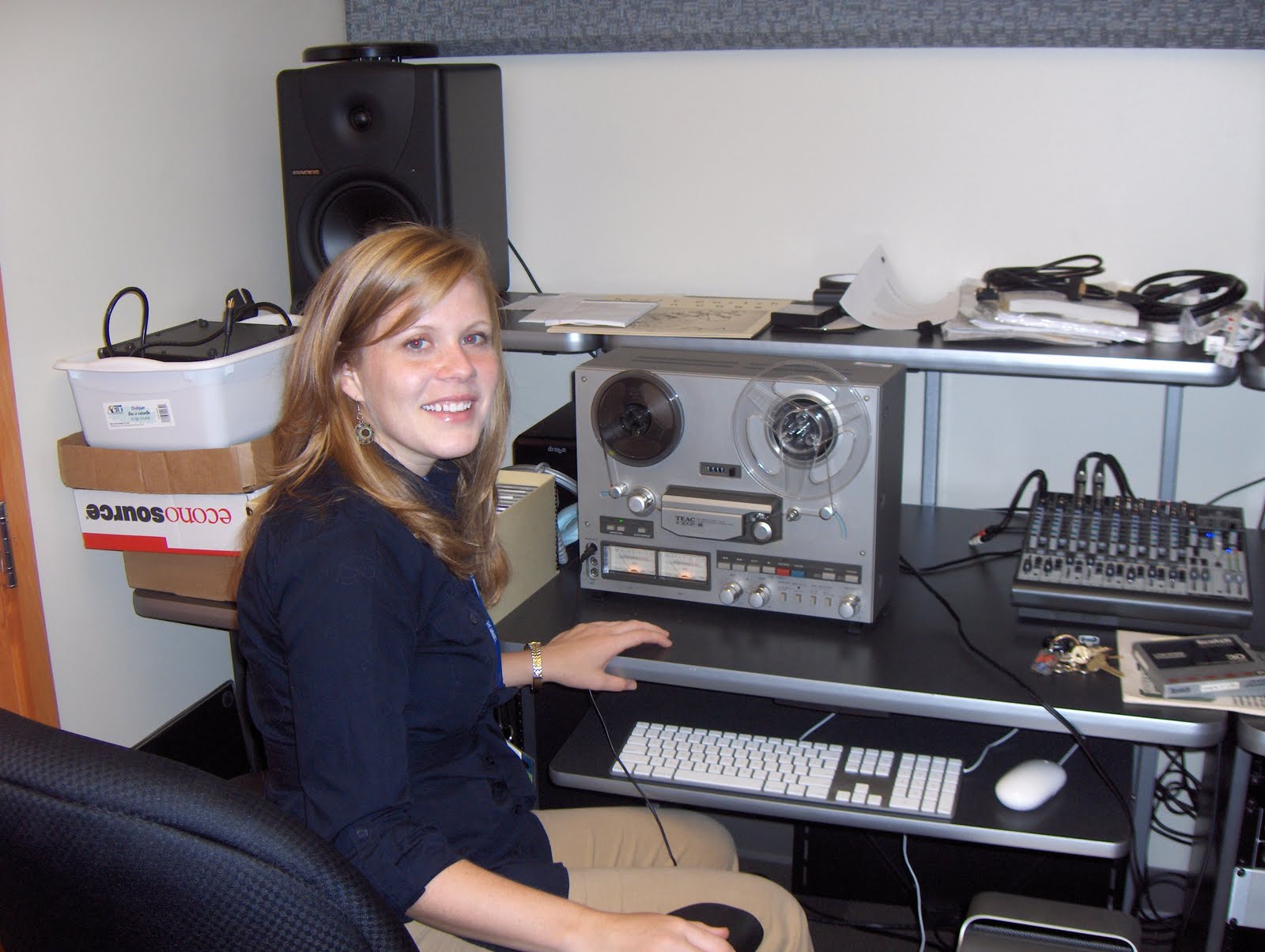 Read more...
In lieu of a featured collection this month, we would like to encourage you to visit the Butler Center website at www.butlercenter.org where you will find information on our events, links to our digital collections, research tools, and much more.
Spend some time looking around our online collections. You might be surprised at what you find. 

The Butler Center Digital Collections (http://www.digital.butlercenter.org/index.php) will be temporarily unavailable on Tuesday Dec 8 through Wednesday Dec 9 while the collection software is being upgraded.
Sorry for any inconvenience.


Starting next week, this blog will be running a new series of posts. Every Friday, we will feature a veteran’s collections from FORGOTTEN: The Arkansas Korean War Project. The posts will tell you a bit more about the veteran, the collection, and what is available for viewing online.
As of now, we have enough collections to keep this series going through the end of August. If the project continues to grow at its current rate, the series could continue indefinitely.
Stay tuned! We look forward to sharing these amazing stories with you.
Thirteen veterans are now featured on the website for Forgotten: The Arkansas Korean War Project.
For each veteran, you will see a photograph with a short biography. Underneath this biography, you will see all or some of the following links—finding aid, documents, photographs, audio interview, and video interview. Let me explain what you can expect to find if you follow these links.
Finding aid: This will open a pdf version the finding aid for the veteran’s complete collection. The finding aid contains an extended biography of the veteran and a file-by-file list of his items available at the Arkansas Studies Institute.
Documents: This will show you a selection of documents related to the veteran’s military service, such as official military documentation, newspaper clippings, or a memoir.
Photographs: This will open a page where you can browse a selection of photographs from the veteran’s collection. These are actual photographs of activities during the Korean War; some might not be suitable for young children.
Audio Interview: Clicking this link will open an audio version of the oral history interview Brian Robertson, our Manuscripts Coordinator, conducted with the veteran.
Video Interview: This link is currently unavailable, but will allow you to watch a video version of the oral history interviews in the near future.
Please visit the page and help us honor our veterans. If you or someone you know would like to participate in the project, please contact Brian Robertson at (501)320-5723.
Left:
2nd Battalion, 17th Regiment, 7th Army Infantry Division assembly area for counter-attack, near Old Baldy/Pork Chop Hill, Korea, October 7, 1952.
From KWP-12 Donald G. McMillan Korean War Collection
Right:
Keith Jernigan (USMC) standing in front of sign for Masan, Korea, January 19, 1951.
From KWP-13 A. Keith Jernigan Korean War Collection
The Main Street Bridge Location:
We are making excellent progress on FORGOTTEN: The Arkansas Korean War Project. Photographs and Finding Aids from the collections for six of our veterans are now available on the website as well as a history of the war. Video interviews and information on additional veterans will be added in the coming weeks.
Please check it out. Items on the website are just a sampling of what we have collected. Full collections are available in the Butler Center.
Can you identify any of the girls in this photograph taken in Perryville, Ark., circa 1958?

October 18, 2008 was National Home Movie Day. The Butler Center has participated in Home Movie Day since 2006 and has created an electronic archive of home movie footage. This year, we are adding a page to our Digital Collections to highlight selections from our home movie collection. Included in the highlights are Fort Smith parade scenes with Eleanor Roosevelt and comedian Bob Burns, clips from the first Razorback football game at War Memorial Stadium, scenes from the Little Rock Central High desegregation crisis, and footage of the implosion of the Marion Hotel.
To view selected clips from the Butler Center home movie collection, go to the Butler Center homepage and select Digital Collections, or direct your browser straight to the home movie footage.
Our home movie project is a year-round event. We invite anyone with home movies of Arkansas families and Arkansas-related events to send us movies that we will transfer to DVD at no charge. We will keep one copy of the movies for our collection and return a DVD copy and the originals to the owner. We can transfer any type of film, VHS, Hi-8, and miniDV tapes.
Please give us feedback on the webpage and help us spread the word about our film and video-transfer service. For more information contact Chris Stewart at 501-918-3088.
The Butler Center's AV/AR audio visual collection was selected as the American Library Association's Digital Library of the Week for last week. See more information here.
Congratulations to everyone who worked on this project!
If you were lucky enough to attend Legacies and Lunch this month, you were able to listen to Brownie Ledbetter share some of her experiences with race relations over the years. For those of you unable to make it or just wanting to hear more, Sara Thompson, the Butler Center's Audio-Visual Archivist, has uploaded and clipped an oral history interview with Ledbetter into the Butler Center's AV/AR audio video collection. Click here to listen to the interview in its entirety or to browse the clips available. Or listen to some clips Sara picked out below:
Clip 20
Ledbetter talks about how she was treated by the white community while she was involved in activist efforts during integration efforts as well as her work to promote understanding and acceptance. She also noted her access into the white community for these efforts.
Clip 21
Ledbetter shares her memories of people accepting the ideas of the activist efforts and even offering encouragement, yet not willing to participate in the movement and work. Those people were comfortable staying with the status quo.
Clip 26
Ledbetter talks about how she was naïve about how the school integration problem would be solved once the Little Rock Nine made it into Central High School. She discusses the main accomplishment of the Central High School Desegregation Crisis as well as the increase of denied racism.
Clip 33
Ledbetter talks about a program in which she and Senator Irma Brown Hunter asked junior high students to describe the differences between them . . and one student finally suggests the racial difference only to be labeled by her teacher as the problem child of the class.
Still want more? Why not visit the Butler Center and look at the Brownie Ledbetter Papers, MSS 99-36.
 Subscribe to the Butler Center BlogSubscribe Using a ReaderSubscribe By Email
© Blogger templates The Professional Template by Ourblogtemplates.com 2008
Back to TOP
